
5 Days in Lisbon: The Complete First-Timer's Guide
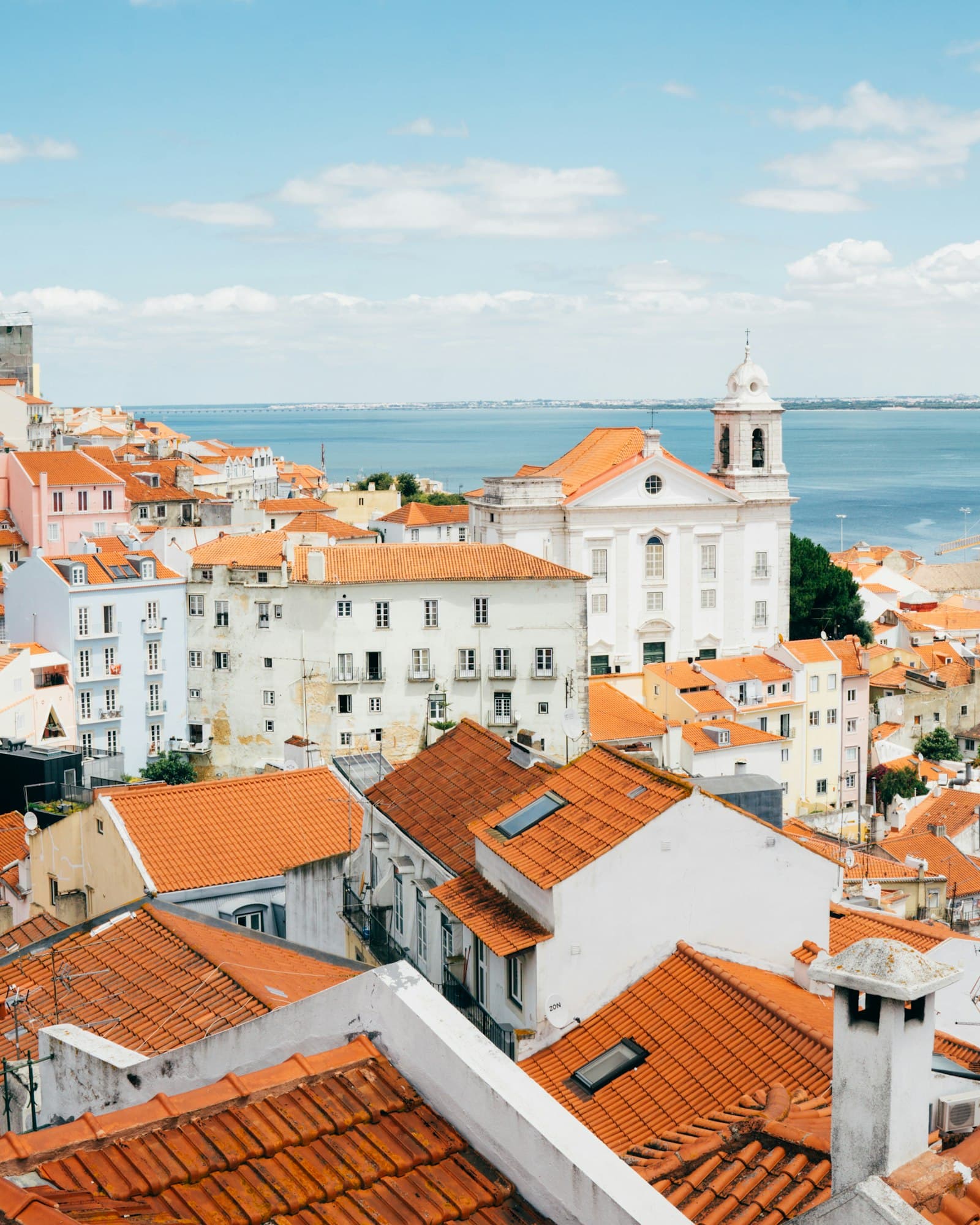
Five days in Lisbon gives you enough time to explore the city's iconic neighborhoods, take a day trip to the fairytale palaces of Sintra, relax on Atlantic beaches, and eat your body weight in pastéis de nata — all without rushing. This day-by-day itinerary covers everything a first-timer needs, from where to eat and what to see to how to get around on a budget.
Why 5 Days is Perfect for Lisbon
Three days in Lisbon feels rushed. A week can drag if you're not careful. But five days? That's the sweet spot. You get enough time to soak in the city's major neighborhoods, take a couple of day trips, and still have space for those unplanned moments — the miradouro you stumble onto, the tiny tasca where the owner insists you try the amêijoas à Bulhão Pato.
Lisbon rewards slow exploration. Its seven hills, winding alleys, and tiled facades reveal themselves gradually. Five days lets you settle into the rhythm of late Portuguese lunches, afternoon espressos at a corner café, and golden-hour walks along the Tagus.
Day 1: Alfama and the Heart of Old Lisbon
Morning — Alfama's Labyrinth
Start where Lisbon begins. Alfama is the city's oldest neighborhood, a medieval maze of narrow alleys, tiled staircases, and crumbling facades draped in laundry. Take Tram 28 from Martim Moniz to get here — but go early (before 9 AM) to avoid the crowds that pack this route by mid-morning.
Get off at Largo das Portas do Sol for one of Lisbon's best viewpoints. From here, you look out over Alfama's terracotta rooftops to the Tagus River. It's the postcard shot, and it hits even harder in person.
Wander downhill through the alleys without a fixed route. That's the whole point of Alfama — getting wonderfully lost. You'll pass the Sé Cathedral (Lisbon's oldest church, dating to 1147), tiny neighborhood squares where old men play cards, and impromptu fado music drifting from open windows.
Late Morning — Castelo de São Jorge
Head uphill to the castle. The fortification itself is interesting enough (Moorish foundations, a history spanning Phoenicians to Portuguese kings), but the real draw is the view. From the castle walls, you get a 360-degree panorama of Lisbon that explains the city's geography better than any map.
Budget about 90 minutes here. Entry is around €15 — worth it for the views alone.
Lunch — A Tasca in Alfama
Skip the tourist restaurants lining the tram route. Instead, find a tasca — a tiny, no-frills neighborhood tavern. Taberna da Rua das Flores (technically in Bairro Alto, but worth noting for later) and Tasca do Chico in Alfama are both excellent. Order whatever fish is fresh that day, a plate of petiscos (Portuguese tapas), and a glass of vinho verde.
For a quick bite, Claras em Castelo near the castle entrance serves excellent local dishes in a casual setting.
Afternoon — Baixa and Praça do Comércio
Walk downhill to Baixa, Lisbon's grid-planned downtown. The streets here are named after the trades that once occupied them — Rua dos Sapateiros (shoemakers), Rua da Prata (silversmiths). Head to Praça do Comércio, the grand riverside square that was Lisbon's front door for centuries.
Walk through the triumphant Arco da Rua Augusta and take the elevator to the top for a nice view over Baixa. Then stroll to the Santa Justa Elevator — the iron lift designed by a student of Gustave Eiffel. The line for the elevator itself is usually brutal, but here's a tip: you can access the viewing platform at the top via a walkway from Largo do Carmo for a fraction of the price.
Evening — Dinner in Alfama + Fado
Return to Alfama for dinner and fado. Lisbon's signature music is best experienced in a small, intimate venue. Mesa de Frades is a converted chapel with outstanding acoustics and performances. Clube de Fado is another solid choice. Book ahead — the good spots fill up.
Expect to pay €30–50 per person for dinner with fado, including wine. The music usually starts around 9:30 PM.
Day 2: Belém — Where Discovery Began
Getting There
Take Tram 15E from Praça do Comércio or the bus to Belém, about 20 minutes west of the city center. This is where Portugal's Age of Discovery launched — Vasco da Gama, Magellan, and countless other explorers set sail from these shores.
Morning — Jerónimos Monastery
Arrive when it opens (10 AM, closed Mondays) to beat the crowds. The Jerónimos Monastery is a UNESCO World Heritage Site and a masterpiece of Manueline architecture — that uniquely Portuguese late-Gothic style dripping with nautical motifs, twisted ropes carved in stone, and symbols of the spice trade. The cloisters are breathtaking.
Entry to the church is free. The cloisters cost around €10 and are absolutely worth it.
Mid-Morning — Pastéis de Belém
This is non-negotiable. Pastéis de Belém has been baking Portugal's most famous pastéis de nata since 1837, using a secret recipe from the monks of Jerónimos. The line outside looks intimidating, but it moves fast. Better yet, walk past the takeaway counter and head to the dining rooms in the back — there's almost always a table available.
Order at least two (they're small), dust them with cinnamon and powdered sugar, and pair with a bica (espresso). This is a religious experience.
Late Morning — Torre de Belém and the Monument to the Discoveries
Walk along the waterfront to the Tower of Belém, the iconic fortified tower that guarded the entrance to Lisbon's harbor. It's beautiful from the outside — going inside is optional unless you want to climb narrow spiral stairs for river views.
Nearby, the Padrão dos Descobrimentos (Monument to the Discoveries) is a massive riverside monument shaped like a ship's prow, with Henry the Navigator at the front and 32 other figures from Portugal's exploration era. The rooftop terrace has excellent views and a huge compass rose map in the pavement below.
Afternoon — MAAT or Berardo Collection
For contemporary art and architecture, visit MAAT (Museum of Art, Architecture and Technology) — the wavy, tile-covered building along the waterfront is worth seeing just for the architecture. Alternatively, the Berardo Collection Museum in the nearby CCB cultural center has an impressive modern art collection and is free.
Evening — LX Factory
Before heading back to the city center, stop at LX Factory, a converted industrial complex under the 25 de Abril Bridge. It's packed with independent shops, bookstores, restaurants, and bars. Landeau Chocolate here serves what might be Lisbon's best chocolate cake. For dinner, 1300 Taberna offers excellent Portuguese cuisine in a stunning setting.
Day 3: Bairro Alto, Príncipe Real, and the Chiado
Morning — Chiado and Café Culture
Start in Chiado, Lisbon's elegant literary and shopping district. Grab breakfast at Fabrica Coffee Roasters on Rua das Flores or the legendary A Brasileira on Rua Garrett, where a bronze statue of poet Fernando Pessoa sits at a table outside.
Browse the bookshops — Livraria Bertrand, founded in 1732, is the world's oldest operating bookstore. Even if you don't read Portuguese, the atmosphere is worth a visit.
Late Morning — Convento do Carmo
Walk to the Carmo Convent, a Gothic church whose roof collapsed in the 1755 earthquake and was never rebuilt. The roofless nave, open to the sky, is one of Lisbon's most hauntingly beautiful spaces. It's a powerful reminder of the earthquake that reshaped the city — and European thought about God and nature.
Lunch — Príncipe Real
Head uphill to Príncipe Real, one of Lisbon's trendiest neighborhoods. The garden at the center (Jardim do Príncipe Real) is a gorgeous spot to sit under a massive cedar tree that's been shaped into a natural canopy.
For lunch, A Cevicheria serves outstanding Peruvian-Portuguese fusion (the giant octopus hanging from the ceiling is hard to miss). Or try Tasca do Chico for more traditional fare with occasional fado.
Afternoon — São Pedro de Alcântara and Bairro Alto
Walk to the Miradouro de São Pedro de Alcântara for sweeping views over the castle and Baixa. From here, explore Bairro Alto's grid of streets. During the day, it's quiet and residential — look for street art, vintage shops, and small galleries.
If you're interested in Portuguese tiles, detour to the Museu Nacional do Azulejo (a short taxi ride east). The museum is housed in a 16th-century convent and traces the history of azulejos from Moorish origins to contemporary art. It's one of Lisbon's most underrated museums.
Evening — Bairro Alto Nightlife
Bairro Alto transforms after dark. The narrow streets fill with people spilling out of tiny bars, each barely bigger than a living room. Start with dinner at Taberna da Rua das Flores (book ahead — it's tiny and popular), then wander. Pensão Amor is a former brothel turned bar with eccentric decor and live music. Park Bar, a rooftop bar on top of a parking garage, has incredible sunset views.
Day 4: Sintra Day Trip
Getting There
Trains run every 20–30 minutes from Rossio station to Sintra (40 minutes, about €4.50 round trip with a Viva Viagem card). Go early — the 8:30 or 9:00 AM train is ideal. Sintra gets absolutely packed by midday, especially in summer.
Morning — Pena Palace
Take the 434 bus from Sintra station to Pena Palace, the colorful Romanticist castle perched on a hilltop above the town. It looks like something from a fever dream — bright yellow and red walls, Moorish arches, Gothic towers, and Manueline details all mashed together. The interior is interesting, but the real magic is the exterior and the surrounding gardens.
Book tickets online in advance (around €14). The park surrounding the palace is worth exploring — winding paths, hidden grottos, and views over the entire Sintra mountain range.
Late Morning — Castle of the Moors
A short walk (or bus ride) from Pena Palace, the Castle of the Moors is a ruined 8th-century fortification with walls snaking across a mountaintop. The views from the ramparts are staggering — on a clear day, you can see all the way to the Atlantic. It's less crowded than Pena and arguably more atmospheric.
Lunch — Sintra Town
Head back down to Sintra's old town for lunch. Incomum serves creative Portuguese dishes in a beautiful setting. For something quicker, grab a travesseiro (almond pastry) from Piriquita — it's Sintra's signature sweet, and the bakery has been making them since 1862.
Afternoon — Quinta da Regaleira
This is Sintra's hidden gem. The palace itself is interesting, but the gardens are extraordinary — underground tunnels, the famous Initiation Well (a spiral staircase descending into the earth, connected to Masonic symbolism), grottoes, waterfalls, and labyrinthine paths. Budget at least 90 minutes to explore properly.
Return to Lisbon
Catch a late afternoon train back to Lisbon. You'll be tired — Sintra involves a lot of walking and hills. Keep the evening low-key: grab dinner at Time Out Market in Cais do Sodré, where you can sample dishes from some of Lisbon's best chefs under one roof.
Day 5: Cascais, Beaches, and a Fond Farewell
Morning — Train to Cascais
Take the train from Cais do Sodré station to Cascais (30 minutes, cheap and scenic — the route hugs the coast). Cascais is a former fishing village turned upscale beach town, and it makes a perfect final-day escape.
Walk along the Boca do Inferno (Hell's Mouth), a dramatic cliff formation where waves crash through a natural arch. Then explore the old town — whitewashed buildings, gelato shops, and a relaxed seaside atmosphere that feels a world away from Lisbon's urban energy.
Beach Time
Praia da Rainha is a small, picturesque beach tucked below Cascais' old town. For something bigger, Praia de Carcavelos (one stop back on the train) is a long, sandy beach popular with surfers and sunbathers. If the wind is up, the surfing here is surprisingly good.
Lunch by the Sea
Casa da Guia is a collection of restaurants and shops in a clifftop complex between Cascais and the Boca do Inferno — great seafood with ocean views. In Cascais town, Marisco na Praça serves excellent seafood platters.
Afternoon — Return to Lisbon for the Grand Finale
Head back to Lisbon in the mid-afternoon. Spend your final hours in the neighborhoods you loved most. Walk to one last miradouro — Miradouro da Graça or Miradouro da Senhora do Monte for the highest viewpoint in the city.
Final Dinner
Make it count. Belcanto (2 Michelin stars, by chef José Avillez) is Lisbon's finest if you want a splurge. For something more casual but equally memorable, Cervejaria Ramiro is the city's legendary seafood restaurant — order the prawns, the percebes (goose barnacles), and finish with a steak sandwich (trust the tradition). Expect a wait, but it moves fast.
Practical Tips for 5 Days in Lisbon
Getting Around
Buy a Viva Viagem card (€0.50) and load it with a 24-hour pass (about €6.80) or pay-as-you-go credit. It works on the metro, buses, trams, elevators, and trains to Cascais and Sintra. The metro is clean, fast, and covers most of the city. For Alfama and the hills, trams and walking are your best bet.
Budget
Expect to spend roughly €100–140 per day (mid-range, per person) including accommodation, food, transport, and sights. Lisbon is still one of Western Europe's more affordable capitals, though prices have risen in recent years. Eating at tascas and local restaurants rather than tourist spots saves real money.
When to Go
Spring (March–May) and fall (September–October) offer the best balance of weather, crowds, and prices. Summer is hot and busy but great for beaches. Winter is mild and cheap.
Don't Miss
- Pastéis de nata at Pastéis de Belém (the original) and Manteigaria (the trendy rival — both are excellent)
- Ginjinha — sour cherry liqueur served in tiny bars around Rossio. A Ginjinha is the original spot.
- At least one sunset from a miradouro — Graça and São Pedro de Alcântara are the best
- Fresh seafood — grilled fish at a tasca is one of life's simple pleasures
- The sound of fado in Alfama at night
Where to Stay
- Baixa/Chiado: Central, walkable, great for first-timers
- Alfama: Atmospheric, hilly, closer to fado spots
- Príncipe Real: Trendy, slightly quieter, excellent restaurants
- Cais do Sodré: Near the waterfront, great nightlife, Time Out Market
Plan Your 5 Days in Lisbon with Travee
This itinerary gives you the framework, but every trip is different. Maybe you want to spend less time at palaces and more time at wine bars. Maybe you're traveling with kids and need a different pace. Maybe you want to discover corners of Lisbon that don't appear in any guidebook.
That's where Travee comes in. Tell the AI what you care about, and it builds a personalized Lisbon itinerary with audio guides that bring every neighborhood, every viewpoint, and every hidden alley to life — right in your ear as you walk.
Plan my 5-day Lisbon trip with Travee
Lisbon has a way of getting under your skin. Five days is enough to fall in love — and to start planning your return.