
Best Time to Visit Lisbon: A Month-by-Month Guide
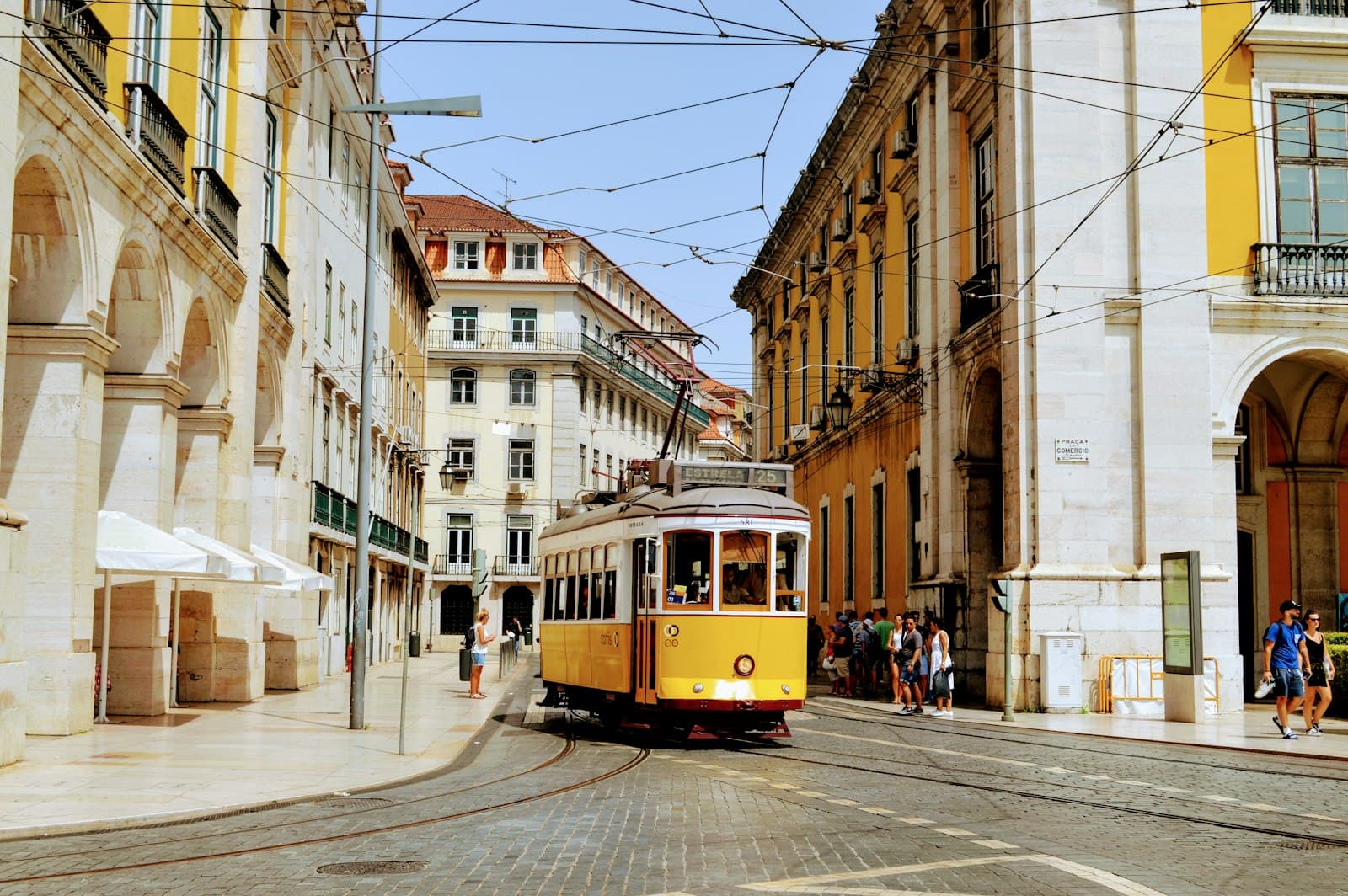
The best time to visit Lisbon is March to May or September to October. You'll get warm sunshine, manageable crowds, and lower prices than peak summer. But honestly, Lisbon is one of those rare cities that works year-round — even winter stays mild compared to the rest of Europe.
When is the best time to visit Lisbon?
It depends on what you're after. Want perfect weather and beach days? Go in summer. Prefer mild temperatures with fewer tourists and better prices? Spring and fall are your sweet spot. Looking for the cheapest trip possible? Winter offers surprising charm at a fraction of the cost.
Lisbon enjoys over 300 days of sunshine per year, making it one of Europe's sunniest capitals. Even in the "worst" months, you're looking at mild temperatures and occasional rain — nothing that a good pastel de nata and a warm café can't fix.
What is Lisbon like in spring?
March to May is arguably the best time to visit. Temperatures climb from 15°C to 22°C, the city feels alive without being overwhelmed by tourists, and prices haven't hit their summer peak yet.
The real magic happens in May, when Lisbon's jacaranda trees explode into purple bloom. Entire streets and squares turn into Instagram-worthy canopies of violet. It's genuinely stunning and one of those things you have to see in person.
Spring is also ideal for walking — and Lisbon is a city built for walking (just bring comfortable shoes for those hills). The light is gorgeous, the outdoor cafés are buzzing, and you can explore neighborhoods like Alfama and Mouraria without fighting through crowds.
What to expect:
- Average temperature: 15-22°C
- Rainfall: moderate, decreasing through the season
- Crowds: manageable
- Prices: moderate — good deals on flights and hotels
Is Lisbon too hot in summer?
June to August is peak season, and for good reason: it's reliably sunny with temperatures between 25-35°C. But yes, it can get properly hot — especially in late July and August when temperatures occasionally push above 35°C.
The upside? Summer is perfect for combining city exploration with beach time. Cascais is just 30 minutes by train, and Costa da Caparica offers kilometers of Atlantic beaches south of the city. Both are easy day trips or even half-day escapes from the heat.
June is a highlight thanks to Santo Antonio — Lisbon's biggest festival. The entire city celebrates with street parties, grilled sardines, music, and parades, especially in Alfama. It's one of the most authentic local experiences you'll find in any European capital.
What to expect:
- Average temperature: 25-35°C
- Rainfall: almost none
- Crowds: heavy, especially July-August
- Prices: highest of the year — book flights and accommodation well in advance
What about fall in Lisbon?
September to October is many locals' favorite time of year — and we agree. The summer crowds thin out, temperatures stay warm (20-27°C in September, 18-22°C in October), and the ocean is actually at its warmest after months of summer sun.
It's the perfect balance: warm enough for outdoor dining, cool enough for comfortable walking, and quiet enough to feel like you have the city to yourself. Prices drop noticeably from their summer peak, especially for accommodation.
October brings a bit more rain, but Lisbon rain is usually short bursts rather than all-day grey. You'll still get plenty of sunshine between the showers.
What to expect:
- Average temperature: 18-27°C
- Rainfall: increasing, especially October
- Crowds: lighter than summer
- Prices: dropping — great value for money
Is Lisbon worth visiting in winter?
Absolutely — if you don't mind occasional rain. November to February is Lisbon's quietest and cheapest season. Temperatures hover between 10-15°C, which is mild compared to most European capitals (Berlin is well below freezing, for reference).
Winter Lisbon has its own charm. The golden light, the cozy tascas (traditional taverns), the steaming bowls of caldo verde — it's atmospheric in a way that summer crowds can't replicate.
December brings festive lights across the city, Christmas markets, and a New Year's Eve celebration at Praça do Comércio that's one of Europe's best (and most affordable). January and February are the absolute cheapest months — you can find flights and hotels at a fraction of summer prices.
What to expect:
- Average temperature: 10-15°C
- Rainfall: highest of the year, especially November-December
- Crowds: minimal
- Prices: lowest — biggest bargains of the year
How much does a trip to Lisbon cost by season?
Here's a rough guide for a daily budget (mid-range, per person):
- Summer (Jun-Aug): €120-170/day — accommodation drives costs up
- Spring (Mar-May): €90-130/day — great value
- Fall (Sep-Oct): €90-130/day — similar to spring
- Winter (Nov-Feb): €70-100/day — cheapest time to visit
Lisbon is generally more affordable than most Western European capitals. Eating out is cheaper than Paris or London, public transport is excellent and inexpensive, and many viewpoints and neighborhoods cost nothing to explore.
What should I pack for Lisbon?
Year-round essentials:
- Comfortable walking shoes (cobblestone streets + hills = blisters if you're not prepared)
- Layers — even summer evenings can be breezy by the river
- Sunscreen and sunglasses
Summer additions: Light clothing, a hat, swimwear for beach days
Winter additions: A light waterproof jacket, an umbrella, a warm layer for evenings
Plan your Lisbon trip with Travee
No matter when you visit, Travee helps you make the most of your time in Lisbon. Get personalized recommendations, discover hidden neighborhoods, and explore the city with immersive audio guides that bring every miradouro, every beco, and every azulejo-tiled facade to life.