
Budget Travel in Europe 2026: Costs, Tips, and Destinations
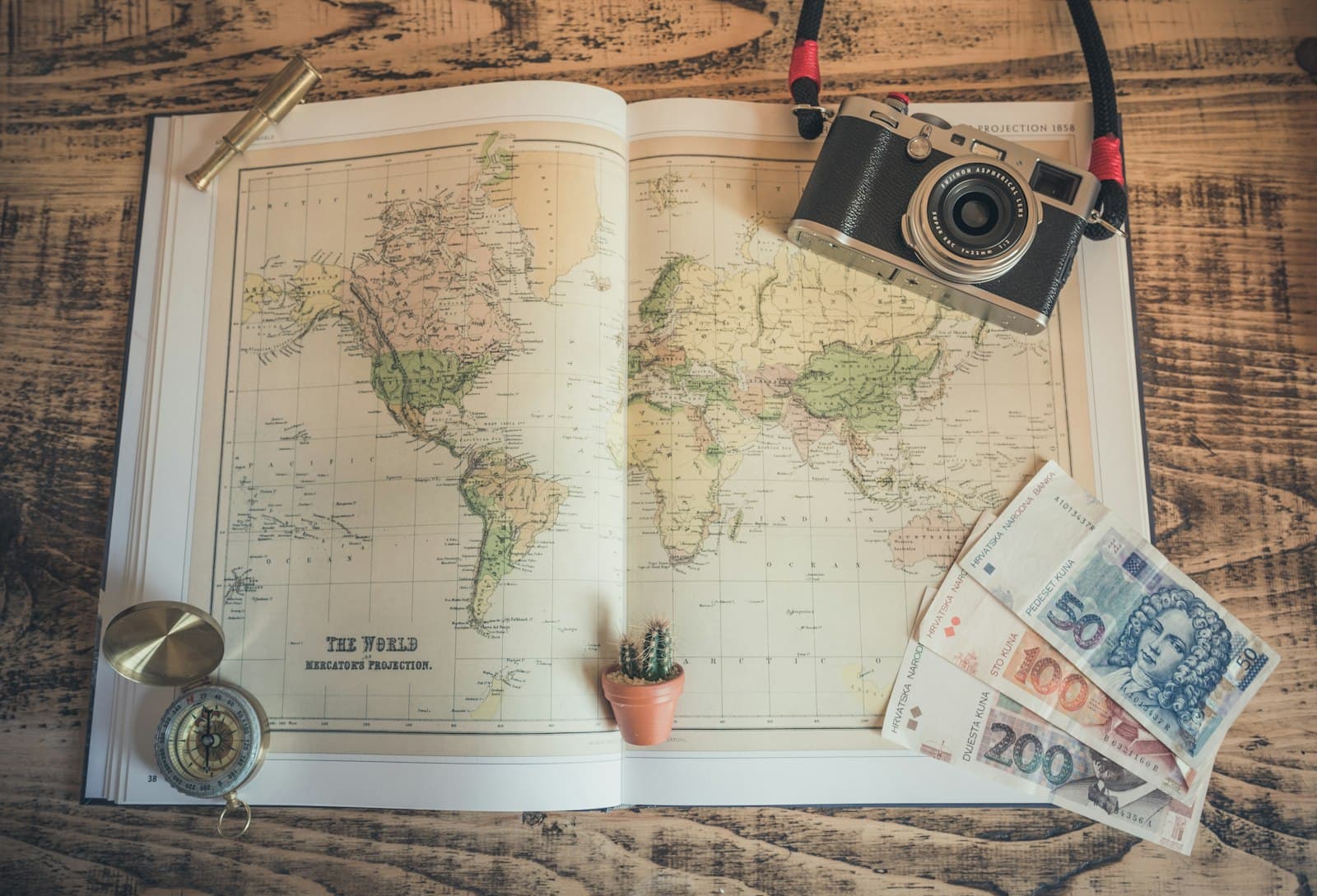
Europe doesn't have to be expensive. That might sound like a cliché, but it's genuinely true — if you know where to go, when to book, and which corners to cut without sacrificing the experiences that make travel worthwhile. In 2026, a well-planned European trip can cost less than a week at an all-inclusive resort, and you'll come back with far better stories.
This guide breaks down real costs, practical savings strategies, and the destinations where your money goes furthest — whether you're a first-time backpacker or a more experienced traveler looking to stretch a budget without sleeping in a train station.
How much does Europe actually cost? Daily budget breakdown
Let's get specific. Costs vary wildly depending on the country, your travel style, and how much planning you put in. Here's what a realistic daily budget looks like across three tiers:
Backpacker tier: €40–60 per day
This is the "hostel dorms, street food, and free walking tours" level. It's entirely doable, and for many travelers, it's the most fun way to see Europe.
- Accommodation: €12–25/night for a hostel dorm bed. In Eastern Europe and the Balkans, you'll be closer to €10–15. In Western Europe, €20–30.
- Food: €10–20/day. Cook in hostel kitchens for breakfast and lunch, eat out for dinner at local spots. Supermarkets, bakeries, and market stalls are your friends.
- Transport: €5–10/day averaged out. Walk everywhere locally. Use budget airlines, FlixBus, or an Interrail pass for intercity travel (more on this below).
- Activities: €5–10/day. Many of Europe's best experiences are free — churches, parks, viewpoints, neighborhoods. Spend selectively on the one or two paid attractions that matter most to you.
Where it works best: Portugal, Spain (outside Barcelona/Madrid), Greece, Poland, Czech Republic, Hungary, Balkans.
Mid-range tier: €80–120 per day
The sweet spot for most travelers. You get your own room, eat at good restaurants, and don't have to think twice about a museum ticket.
- Accommodation: €40–70/night for a private room in a hostel, budget hotel, or Airbnb. In Eastern Europe, this gets you genuinely nice places.
- Food: €25–40/day. Breakfast at the hotel or a café, lunch at a market or casual restaurant, and a proper dinner at a well-reviewed local spot.
- Transport: €10–15/day averaged. Mix of walking, public transit, and the occasional taxi or ride-share.
- Activities: €10–20/day. Two or three paid attractions plus some free wandering.
Where it works best: Everywhere in Europe, though in Scandinavia and Switzerland you'll be closer to the top of this range for fewer luxuries.
Comfort tier: €150+ per day
Not exactly "budget" in the traditional sense, but this tier shows that you can have a comfortable, even somewhat luxurious European trip without spending the €300–500/day that many travel sites imply is necessary.
- Accommodation: €80–120/night for a 3-star hotel or well-located apartment.
- Food: €50–70/day. Good restaurants for lunch and dinner, a nice café breakfast, the occasional splurge meal.
- Transport: €15–25/day. Public transit plus the comfort of taxis when you want them.
- Activities: €20–40/day. Major museums, guided tours, a cooking class, boat trips.
Where it works best: Lets you travel comfortably even in pricier destinations like Paris, Amsterdam, or Rome.
The cheapest countries in Europe (2026)
Not all of Europe is created equal when it comes to prices. Here's where your euros go furthest:
Portugal
Still one of Western Europe's best values. Lisbon and Porto are more expensive than they were five years ago, but head to the Alentejo region, smaller Algarve towns, or the north (Braga, Guimarães) and you'll find excellent food and wine at prices that feel almost unreasonable. A full Portuguese lunch with wine can cost €8–12 outside the tourist centers.
Greece
The islands can be pricey in August, but mainland Greece — Athens, Thessaloniki, the Peloponnese, Meteora — is remarkably affordable. Greek taverna meals (grilled fish, salads, wine) rarely exceed €12–15 per person, even at good restaurants. Accommodation outside peak season drops dramatically.
Poland
Kraków, Warsaw, Gdańsk, and Wrocław offer world-class sights, excellent food, and vibrant nightlife at Eastern European prices. A pint of excellent craft beer costs €2–3. A full meal at a good restaurant is €8–15. Poland is also one of Europe's best food destinations, full stop — the pierogi, żurek, and smoked cheese alone are worth the trip.
The Balkans (Albania, North Macedonia, Bosnia, Serbia)
This is where the real value is. Albania's Riviera has beaches that rival the Greek islands at a third of the price. Sarajevo and Belgrade are fascinating, complex cities where you can eat like royalty for €10. North Macedonia's Lake Ohrid is one of Europe's best-kept secrets — crystal-clear water, medieval churches, and daily costs that barely register.
Hungary and Romania
Budapest remains one of Europe's great bargain cities — thermal baths, ruin bars, stunning architecture, and meals that cost a fraction of what you'd pay in Vienna (just across the border). Romania's Transylvania region is gorgeous, unspoiled, and incredibly cheap — think medieval towns, Carpathian hikes, and €20 guesthouse rooms with home-cooked breakfasts included.
Transport: The biggest savings lever
Getting between cities is often the largest expense in a European trip. Here's how to minimize it:
Interrail / Eurail Pass
The Interrail Global Pass (for European residents) or Eurail Pass (for non-Europeans) offers unlimited train travel across 33 countries. In 2026, a 7-day flexi pass (7 travel days within a month) starts around €260 for adults, with significant discounts for under-27s.
When it's worth it: If you're taking 4+ long-distance trains in a month. The pass works best in countries with excellent rail networks (Germany, Switzerland, Italy, France, Benelux, Scandinavia). It's less useful in the Balkans, where bus networks are stronger.
Pro tip: Some high-speed trains (TGV in France, Frecciarossa in Italy) require reservations even with the pass, adding €10–20 per trip. Factor this in when comparing costs.
Budget airlines
Ryanair, Wizz Air, and easyJet connect hundreds of European cities at prices that can beat trains by a wide margin. The catch: strict baggage limits, peripheral airports, and add-on fees that can quietly double the ticket price.
How to win: Travel with a personal item only (a 40x20x25cm bag fits under the seat and is free on most carriers). Book directly on the airline's website. Check which airport you're actually flying to — Ryanair's "Paris" airport (Beauvais) is 85 km from the city center.
Best routes: Eastern Europe connections (Wizz Air is unbeatable for routes between Central/Eastern European cities), UK to continental Europe (easyJet), and any route where the train takes 6+ hours but the flight takes 1.5.
FlixBus
Europe's dominant long-distance bus network connects over 2,500 destinations across 40+ countries. It's almost always the cheapest intercity option — Berlin to Prague for €15, Barcelona to Valencia for €10, Rome to Naples for €7.
The trade-off: It's slower than trains, the WiFi is unreliable, and long rides (8+ hours) can be tiring. But for routes under 4–5 hours, it's an excellent deal. Book at least a few days ahead for the best prices.
Rideshare: BlaBlaCar
BlaBlaCar connects drivers with empty seats to passengers heading the same way. It's popular across France, Spain, Italy, Germany, and Eastern Europe. Prices are typically 30–50% less than a bus, and you often arrive faster.
Why it's underrated: It's a genuinely local way to travel. You'll meet people, practice the language, and often get dropped off closer to your destination than a bus station would.
Accommodation: Beyond the hostel dorm
Hostels (but make them smart)
The hostel landscape has evolved far beyond the grim dorms of a decade ago. Many modern hostels offer private rooms, co-working spaces, rooftop bars, and social events that make them worth choosing even if you can afford a hotel.
Best hostel chains for quality: Generator, a&o, Selina, The Social Hub (formerly The Student Hotel). These offer consistent quality across multiple European cities.
Booking tip: Use Hostelworld for reviews and availability, but check the hostel's own website — direct bookings sometimes include perks or lower prices.
Airbnb and rental apartments
For stays of 3+ nights, apartments often beat hotels on value — especially for couples or small groups. You get a kitchen (saving on meals), more space, and a neighborhood feel.
2026 reality check: Many European cities have tightened Airbnb regulations, reducing supply and pushing up prices in popular areas. Book early, look slightly outside the center, and always check the total price (cleaning fees and service charges add up).
House-sitting and home exchange
TrustedHousesitters and HomeExchange let you stay in someone's home for free in exchange for caring for their pets or swapping your own home. It takes planning and flexibility, but the savings are enormous — free accommodation in Paris, Barcelona, or Amsterdam is no small thing.
Best for: Flexible travelers, couples, and anyone staying 1–2 weeks in one place.
Free things to do across Europe
Some of Europe's best experiences cost nothing. Build your itineraries around these, and your activity budget shrinks dramatically:
- Walking tours: Most European cities have free walking tours (tip-based). They're run by locals, cover the main sights and stories, and are a great way to orient yourself on day one.
- Churches and cathedrals: Almost all of Europe's great churches are free to enter. Notre-Dame in Paris, Sagrada Família's exterior, Cologne Cathedral, St. Peter's in Rome — you could spend a lifetime of free church visits and never run out of beauty.
- Parks and viewpoints: Retiro Park in Madrid, Tempelhofer Feld in Berlin, Calton Hill in Edinburgh, Jardins du Trocadéro in Paris. Every city has green spaces and viewpoints that cost nothing but deliver massive rewards.
- Markets: Naschmarkt in Vienna, La Boqueria in Barcelona, Mercato di San Lorenzo in Florence, Marché d'Aligre in Paris. Even if you don't buy anything, wandering a European market is a sensory experience.
- Museums on free days: Many major museums have free entry on specific days or evenings — the Louvre on the first Saturday evening of the month, the British Museum (always free), Berlin's museum free Sundays, and many more. Check ahead and plan around them.
- Swimming: Europe's coastlines, lakes, and rivers offer free swimming everywhere. Bring a towel.
How AI travel tools help you save money
Here's where technology genuinely helps. AI travel planners like Travee can optimize your trip in ways that are tedious to do manually:
- Route optimization: An AI can calculate the most cost-effective order to visit multiple cities, factoring in transport costs and travel time. The difference between a well-ordered and poorly ordered multi-city trip can be hundreds of euros.
- Timing insights: AI tools can flag when you're planning travel during peak pricing periods and suggest shifting dates by a day or two for significant savings.
- Budget-aware planning: Tell an AI your daily budget and it can suggest destinations, accommodation types, and activities that fit — without the trial-and-error of researching everything yourself.
- Local alternatives: AI planners can suggest less touristy neighborhoods for accommodation, local restaurants instead of tourist-center spots, and free alternatives to paid attractions.
The goal isn't to replace the joy of discovery — it's to handle the logistics so you can focus on the experiences.
10 quick tips for saving money in Europe
- Travel in shoulder season (May–June, September–October). Everything is cheaper and less crowded.
- Eat where locals eat. If the menu is only in English and there's a photo of every dish, walk away.
- Drink tap water. It's safe in almost all of Western and Central Europe. Carry a refillable bottle.
- Walk. European cities are compact. Walking is free, healthy, and you'll see things you'd miss on the metro.
- Book transport early. Train and bus prices increase dramatically in the last week before travel.
- Use city tourism cards wisely. They're only worth it if you'll actually use most of the included attractions. Do the math before buying.
- Cook breakfast and lunch. Eat your big meal in the evening when restaurant value is best.
- Avoid airport exchange offices. Use a travel-friendly debit card (Wise, Revolut, N26) for the best exchange rates.
- Ask locals. The single best budget tip in any city is asking a local where they eat, drink, and spend their weekends.
- Don't over-plan. Some of the best budget travel moments come from saying yes to the unexpected — the festival you stumble into, the village someone recommends on the bus, the free concert in the park.
Plan your budget Europe trip with Travee
Ready to plan a European trip that's amazing and affordable? Travee's AI travel planner builds personalized itineraries based on your budget, interests, and travel dates — helping you find the right destinations, optimize your route, and discover the local spots that guidebooks miss. Plus, our audio guides bring every destination to life with stories and context, so you're not just saving money — you're having a richer trip.