
Digital Nomad City Guide: Berlin for Remote Workers
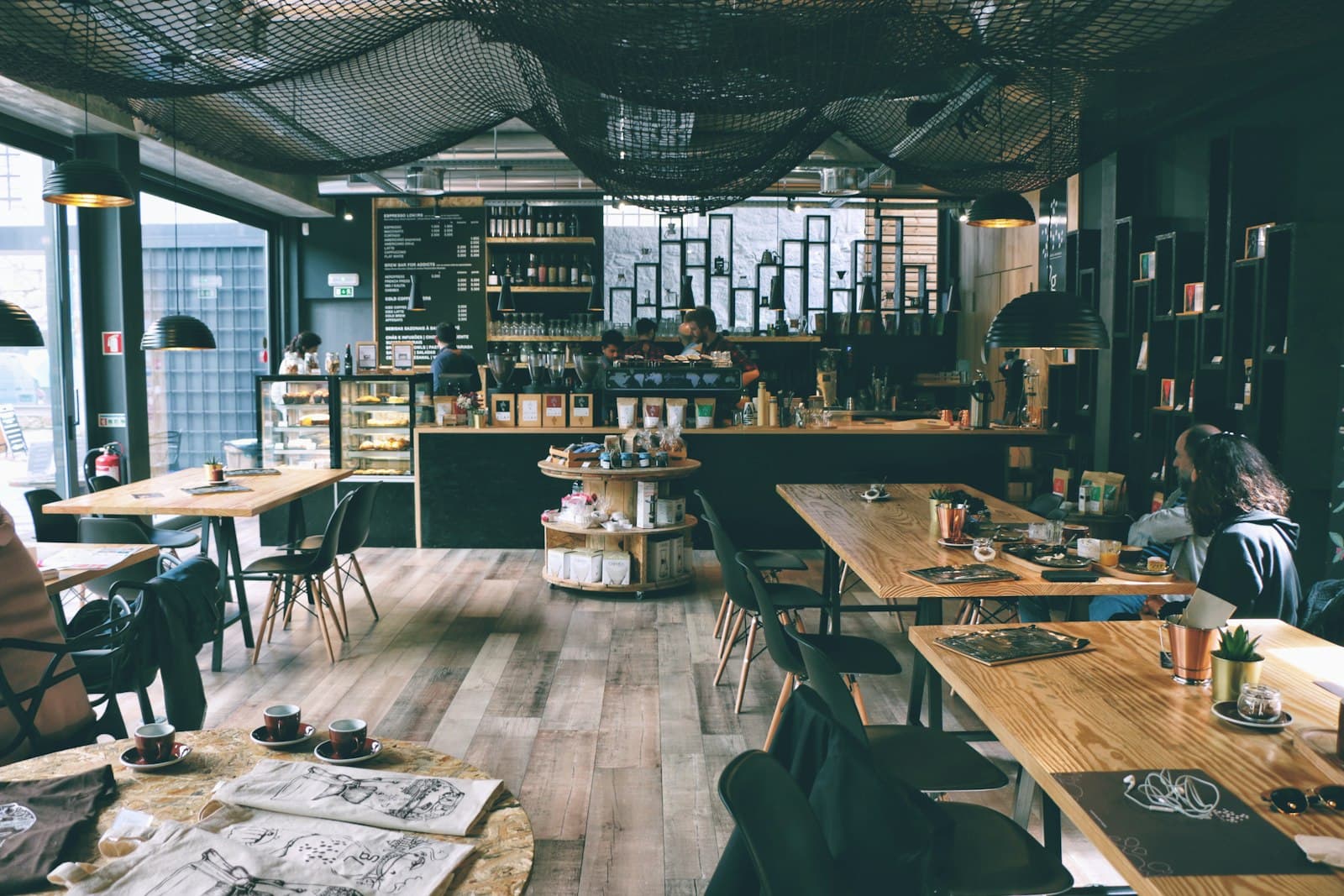
Berlin has quietly become one of Europe's top digital nomad hubs — and for good reason. It's affordable for a Western European capital, massively international, saturated with co-working spaces and laptop-friendly cafés, and the creative energy is hard to match anywhere else. As a Berlin-based team ourselves, we've spent years working remotely from every corner of this city. Here's our honest, detailed guide to making Berlin your next base.
Why Berlin is perfect for digital nomads
There's a reason so many freelancers, founders, and remote workers end up in Berlin — and then stay. The city has a combination of qualities that's genuinely hard to find elsewhere in Europe.
Affordability. While Berlin has gotten more expensive in recent years, it's still significantly cheaper than London, Paris, Amsterdam, or Munich. You can live comfortably on €1,800–2,500 per month, which is remarkable for a city this size and this well-connected.
English is everywhere. Berlin is arguably the most English-friendly city in continental Europe. You can navigate daily life — ordering food, dealing with your landlord, going to the doctor — entirely in English. Most tech meetups, co-working events, and startup gatherings are conducted in English by default.
Excellent public transport. The U-Bahn, S-Bahn, tram, and bus network is comprehensive, reliable, and runs late (all night on weekends). A monthly BVG ticket costs €49 with the Deutschlandticket, which also gets you anywhere in Germany by regional train.
Creative energy. Berlin attracts artists, musicians, designers, and makers from all over the world. That creative ecosystem spills into the tech and startup scene, making it a uniquely inspiring place to work. There's a reason half the digital products in Europe seem to come out of Berlin.
Work-life balance culture. Germans take their free time seriously, and Berlin takes this to another level. The city's parks, lakes, cultural scene, and nightlife make it easy to actually stop working and enjoy life — something that's not always easy as a remote worker.
Best neighborhoods to live as a digital nomad
Berlin is a city of neighborhoods (Kieze), and where you live shapes your entire experience. Here's a breakdown of the best areas for remote workers.
Kreuzberg — The classic expat hub
Kreuzberg is where most international newcomers land, and for good reason. It's central, walkable, packed with cafés and restaurants, and has a buzzing creative scene. The area around Bergmannstraße (Kreuzberg 61) is calmer and more residential, while the stretch along the canal near Kottbusser Tor (Kreuzberg 36) is grittier and more chaotic — in the best way.
Monthly rent: €700–1,100 for a 1-bedroom apartment (warm, including utilities).
Neukölln — Creative, diverse, and slightly cheaper
Just south of Kreuzberg, Neukölln has become the neighborhood of choice for younger digital nomads and creatives. The food scene is incredible (some of the best Middle Eastern, Vietnamese, and Italian food in the city), the bars are unpretentious, and the Tempelhofer Feld — a former airport turned massive public park — is right there.
Monthly rent: €650–1,000 for a 1-bedroom apartment.
Friedrichshain — Young, energetic, and well-connected
Friedrichshain sits east of the Spree river and has a more youthful, party-oriented vibe. The area around Boxhagener Platz is excellent for remote workers — lots of cafés, a great weekend market, and easy access to the rest of the city via the Ringbahn. It's also home to the East Side Gallery and some of Berlin's best clubs, if that matters to you.
Monthly rent: €700–1,050 for a 1-bedroom apartment.
Prenzlauer Berg — Calm, beautiful, and family-friendly
If you prefer tree-lined streets, Sunday brunches, and a slightly more polished atmosphere, Prenzlauer Berg is your spot. It's popular with slightly older expats and young families. The Helmholtzplatz and Kollwitzplatz areas are full of excellent cafés and restaurants, and the neighborhood is genuinely beautiful — lots of restored Altbau buildings.
Monthly rent: €800–1,200 for a 1-bedroom apartment.
Wedding — Affordable and up-and-coming
Wedding is where savvy digital nomads go when they want more space for less money. It's less polished than the neighborhoods above, but it has its own charm — a strong community feel, some genuinely great restaurants (especially along Pankstraße and Müllerstraße), and easy S-Bahn access to the rest of the city. The area around Leopoldplatz is the most convenient.
Monthly rent: €550–850 for a 1-bedroom apartment.
Best co-working spaces in Berlin
Berlin's co-working scene is one of the best in Europe. Here are the spaces we'd actually recommend.
Factory Berlin
Factory is Berlin's most well-known co-working campus, with two locations — one in Mitte (Rheinsberger Straße) and one in Kreuzberg (Lohmühlenstraße). It's big, polished, and attracts a startup-heavy crowd. The community programming is strong, with regular talks, workshops, and networking events. It's not the cheapest option, but the facilities and community are top-tier.
Price: From €250/month for a flex desk. Vibe: Professional, startup-focused, international. Best for: Founders, startup employees, and anyone who values networking.
betahaus
betahaus in Kreuzberg (Rudi-Dutschke-Straße) is something of a Berlin institution. It was one of the city's first co-working spaces and still has a loyal community. The café on the ground floor is open to the public and is a great place to work casually before committing to a membership. The space has a warm, creative atmosphere and frequently hosts community events.
Price: From €200/month for a flex desk; day passes available for around €20. Vibe: Creative, community-driven, slightly indie. Best for: Freelancers, creatives, and anyone who wants a social co-working experience.
St. Oberholz
St. Oberholz started as a café on Rosenthaler Platz (Mitte) that became famous for its laptop-toting freelancer crowd. It's since expanded into a proper co-working operation with multiple floors and locations. The café downstairs is still one of Berlin's classic spots to work from, but the dedicated co-working floors upstairs offer a quieter, more focused environment.
Price: From €180/month for a flex desk; café usage is free with a drink purchase. Vibe: Café culture meets co-working. Relaxed but productive. Best for: People who like the café atmosphere but want the option of a proper desk.
Ahoy! Berlin
Ahoy! has locations in Neukölln and Rummelsburg, and it's one of our favorites for sheer friendliness. The spaces are well-designed, the community is welcoming (they host regular social events), and the prices are reasonable. The Neukölln location on Wiesenstraße is particularly convenient if you live in that area.
Price: From €150/month for a flex desk. Vibe: Friendly, community-oriented, down-to-earth. Best for: Freelancers and remote workers who want a relaxed, social environment.
rent24
rent24 operates several locations across Berlin (Mitte, Charlottenburg, Schöneberg) and offers everything from hot desks to private offices. It's a more corporate option than some of the others on this list, but the spaces are well-maintained and the locations are convenient. Good choice if you need meeting rooms or want a more traditional office feel.
Price: From €199/month for a flex desk. Vibe: Modern, professional, corporate-leaning. Best for: Remote employees at larger companies, or anyone who prefers a polished environment.
Best cafés for working in Berlin
Sometimes you just want a good coffee shop with reliable wifi. Here are our tested favorites.
Concierge Coffee (Kreuzberg)
A tiny specialty coffee shop on Paul-Lincke-Ufer along the Landwehr Canal. The coffee is outstanding (rotating single-origin filter), the wifi is solid, and the location is gorgeous — especially in summer when you can sit by the canal. It's small, though, so go in the morning to guarantee a seat.
Wifi: Reliable, ~50 Mbps. Outlets: Limited. Laptop-friendly: Yes, mornings best.
The Barn (multiple locations)
Berlin's most famous specialty coffee roaster. The Mitte location on Auguststraße and the Kreuzberg location on Rudi-Dutschke-Straße are both good for working, though the Mitte spot gets crowded midday. Excellent espresso and filter coffee, decent wifi, and a focused atmosphere. Some locations discourage laptops during peak hours — check before settling in.
Wifi: Good, ~40 Mbps. Outlets: Some tables. Laptop-friendly: Off-peak hours.
Café CK (Prenzlauer Berg)
A hidden gem on Marienburger Straße. Spacious, quiet, great coffee, and genuinely laptop-friendly — they don't mind you camping out. The food (sandwiches, cakes) is good too. This is the kind of café where you can sit for four hours and nobody gives you a look.
Wifi: Strong, ~60 Mbps. Outlets: Plenty. Laptop-friendly: Very.
Hallmann & Klee (Neukölln)
A neighborhood café on Böhmische Straße that doubles as a great work spot. Excellent breakfast and lunch menu, solid coffee, and a relaxed atmosphere. Plenty of tables and power outlets. Popular with locals, including plenty of other remote workers.
Wifi: Good, ~45 Mbps. Outlets: Good availability. Laptop-friendly: Yes.
Five Elephant (Kreuzberg)
Another heavyweight in Berlin's specialty coffee scene. The original location on Reichenberger Straße is cozy and has great cheesecake (seriously, it's famous). The wifi is reliable, and the atmosphere is conducive to focused work. Gets busy on weekends, but weekday mornings are perfect.
Wifi: Reliable, ~50 Mbps. Outlets: Some. Laptop-friendly: Weekday mornings ideal.
Internet & SIM cards
Berlin's internet infrastructure is generally good, though Germany as a whole sometimes lags behind other European countries in fiber rollout.
Average speeds: Most residential apartments get 50–250 Mbps via cable (Vodafone) or DSL (Telekom, O2). Fiber (1 Gbps) is expanding but not yet universal. Co-working spaces typically offer 100+ Mbps.
Mobile data: Germany has competitive prepaid SIM options. Your best bets:
- Fraenk — €10/month for 12 GB, runs on the Telekom network (the best coverage). Everything managed via app, no contract.
- Aldi Talk — Affordable prepaid starting at €7.99/month for 7 GB on the O2 network. Available at any Aldi supermarket.
- O2 Prepaid — Good value plans starting at €9.99/month for 15 GB.
- Lebara — Popular with newcomers, available at many kiosks. Reasonable international calling rates too.
Tip: If you're staying longer than a few months, consider a proper broadband contract. Providers like Vodafone and Telekom offer 12-month contracts, and getting 250 Mbps for around €35–40/month is standard.
Cost of living breakdown
Here's a realistic monthly budget for a digital nomad in Berlin (single person, comfortable but not extravagant lifestyle):
| Category | Monthly cost |
|---|---|
| Rent (1-bedroom, Neukölln/Friedrichshain) | €700–1,000 |
| Groceries | €250–350 |
| Eating out (2-3x/week) | €150–250 |
| Public transport (Deutschlandticket) | €49 |
| Co-working space | €150–250 |
| Phone/SIM | €10–15 |
| Health insurance (public, freelancer) | €200–350 |
| Leisure, nightlife, culture | €100–200 |
| Total | €1,600–2,450 |
A few notes: Groceries are cheap in Berlin — discount supermarkets like Aldi, Lidl, and Netto are excellent. Eating out is still reasonable compared to other capitals (a solid lunch is €8–12, a nice dinner €15–25). And Berlin has more free or very cheap entertainment than almost any city in Europe.
Visa situation
Your visa situation depends entirely on where you're from.
EU/EEA citizens
You have full freedom of movement. You can live and work in Berlin with zero paperwork beyond registering your address (Anmeldung) at a Bürgeramt. This address registration is mandatory and required for everything from opening a bank account to signing up for health insurance.
Non-EU citizens
Germany offers a freelancer visa (Freiberufler-Visum) that's popular with digital nomads. You'll need to apply at the Ausländerbehörde (foreigners' office) in Berlin with:
- Proof of income or client contracts
- A business plan or description of your freelance work
- Health insurance coverage
- Proof of a registered address in Berlin
- Sufficient savings (no fixed amount, but €3,000–5,000 in your account helps)
The process can take 2–4 months and requires patience with German bureaucracy. Many digital nomads initially enter on a 90-day Schengen tourist visa and then apply to switch status, though doing so is in a legal gray area — it's better to apply from your home country if possible.
Germany does not currently have a dedicated digital nomad visa, unlike countries like Portugal or Estonia. The freelancer visa is the closest equivalent.
Health insurance
Health insurance is mandatory in Germany. If you're a registered freelancer, you can join the public system (gesetzliche Krankenversicherung) through providers like TK, AOK, or Barmer. Monthly costs are income-dependent, typically €200–350/month for freelancers. Private international health insurance (like SafetyWing or Genki) is cheaper but may not be accepted for visa applications — check with the Ausländerbehörde.
Community & networking
Berlin's digital nomad and remote worker community is enormous and very active.
Meetups and events:
- Berlin Startup Meetup — One of the largest in Europe, regular events with talks and networking.
- Hack & Tell Berlin — Monthly event where people demo side projects. Friendly, low-pressure, fun.
- Remote Workers Berlin — Regular informal meetups at various cafés and bars around the city.
- CreativeMornings Berlin — Free monthly breakfast lectures on creative topics. Great for meeting interesting people outside the tech bubble.
Online communities:
- Berlin Startups (Facebook group) — Active group for job postings, events, and questions.
- Berlin Digital Nomads (Facebook group) — Tips, meetup announcements, and housing leads.
- r/berlin on Reddit — Useful for practical questions about living in the city.
- Various Slack groups — Communities like Nomad List's Slack, along with industry-specific groups, are active in Berlin.
Co-working events: Many co-working spaces (especially betahaus, Factory, and Ahoy!) host regular community events, workshops, and social nights. These are genuinely great ways to build your network — more effective than random meetups because you see the same people regularly.
Things to do after work
One of Berlin's greatest strengths is how much there is to do when you close the laptop.
Parks and outdoor life
Berlin is one of the greenest capitals in Europe. Tiergarten is the Central Park equivalent — huge, beautiful, and right in the middle of the city. Volkspark Friedrichshain has a great hilltop view and outdoor cinema in summer. Tempelhofer Feld is uniquely Berlin. And Treptower Park along the Spree is perfect for a late-afternoon walk or beer at the Biergarten.
In summer (June–August), Berliners flock to the lakes. Schlachtensee, Krumme Lanke, and Wannsee are all reachable by S-Bahn. Müggelsee in the east is larger and less crowded. Pack a towel, a book, and some snacks — this is how Berliners spend summer weekends.
Culture
Berlin has world-class museums (Museum Island, Hamburger Bahnhof, KW Institute), galleries (the Potsdamer Straße gallery district), and theaters (Volksbühne, Berliner Ensemble). Many museums offer free or reduced entry on certain days. The independent art scene — gallery openings, pop-up exhibitions, artist studio visits — is vibrant and often free.
Nightlife
Berlin's nightlife needs no introduction. From techno institutions like Berghain and Tresor to underground bars in Neukölln and Kreuzberg, the options are endless. But Berlin nightlife isn't just clubs — the city has an incredible bar scene, from natural wine bars to craft cocktail spots to cozy Kneipen (traditional pubs). Sundays in Berlin often start around 2 PM, which tells you everything.
Food
The food scene has exploded in recent years. Beyond the classic Döner and currywurst, you'll find incredible Vietnamese food (especially in and around the Dong Xuan Center), amazing Middle Eastern cuisine (Neukölln and Kreuzberg), and a growing fine dining scene. Berlin's weekly markets — especially the Türkenmarkt on Maybachufer and the Saturday market at Boxhagener Platz — are not to be missed.
Final tips for digital nomads in Berlin
- Learn basic German. You don't need it to survive, but even a little effort goes a long way — especially with bureaucracy and landlords. Apps like Duolingo or a VHS (Volkshochschule) course are good starting points.
- Register your address immediately. The Anmeldung is the key that unlocks everything in Germany. Book a Bürgeramt appointment online as soon as you have a fixed address.
- Open a German bank account. N26 (itself a Berlin startup) makes this easy and can be done entirely online.
- Get a library card. The Berlin public library (Stadtbibliothek) has quiet workspaces, free wifi, and a massive collection — all for €10/year.
- Be patient with bureaucracy. German paperwork is legendary for a reason. Build in extra time for visa applications, insurance setup, and official registrations.
- Enjoy the pace. Berlin moves differently from other major cities. The pressure to hustle isn't as intense. Embrace the slower rhythm — it's one of the reasons people love living here.
Berlin isn't just a great city to visit — it's an incredible city to work from. The combination of affordability, creativity, community, and quality of life makes it one of Europe's best destinations for digital nomads and remote workers.
Ready to explore Berlin as a digital nomad? Let Travee plan your Berlin experience — from neighborhood walks to hidden local spots, with audio guides that bring the city to life.