
Where to Stay in Rome: Neighborhood Guide for Every Budget
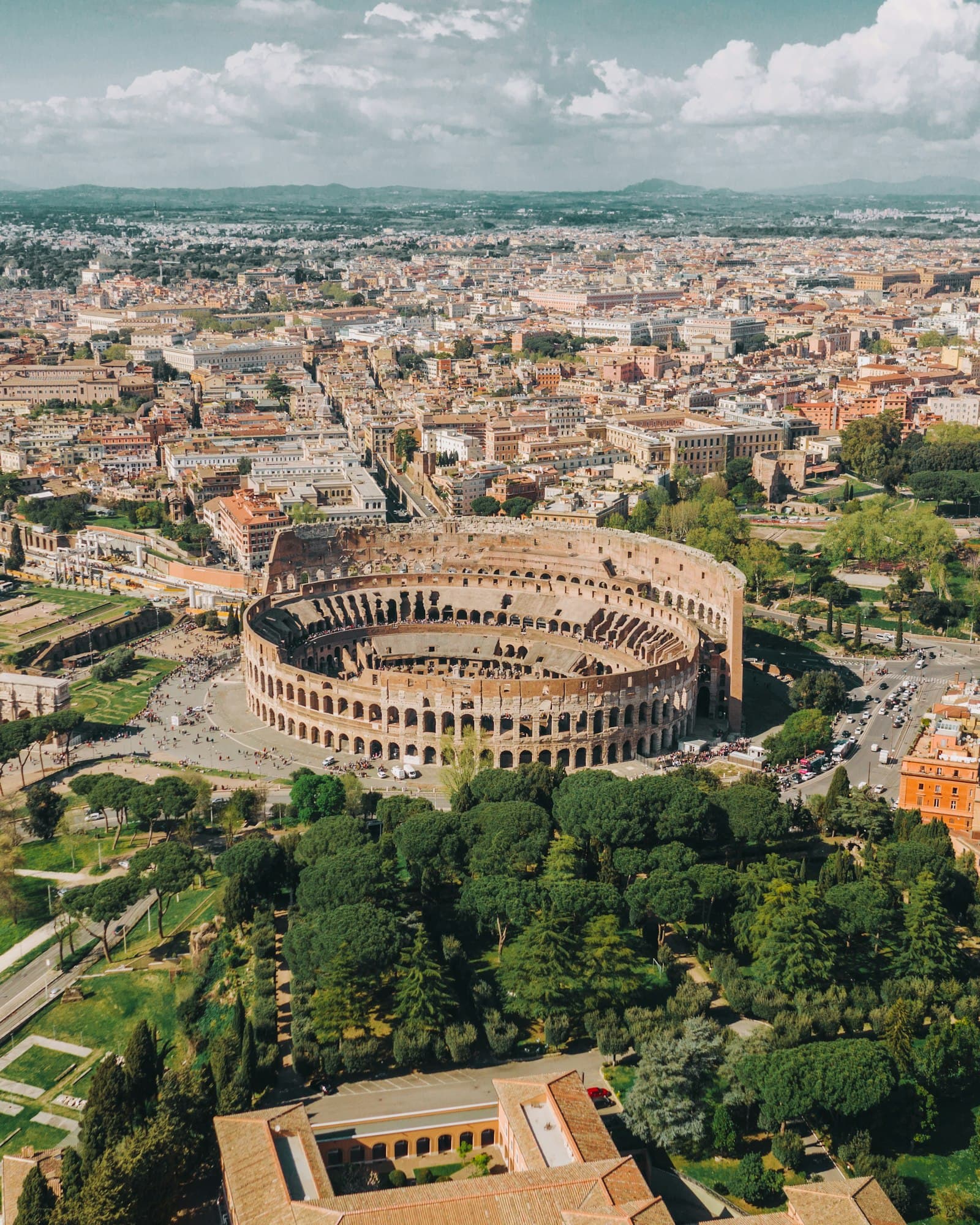
Where you stay in Rome shapes your entire trip. The right neighborhood puts you steps from the sights you care about most, surrounded by restaurants locals actually eat at, with a vibe that matches how you like to travel. This guide breaks down Rome's six best neighborhoods for visitors — with honest pros, cons, and budget ranges — so you can book with confidence.
How Rome's Neighborhoods Work
Rome isn't like a grid-planned city where location is mostly about distance. Each neighborhood (rione or quartiere) has a distinct personality, and they can feel like entirely different cities. Trastevere's vine-draped lanes and late-night energy couldn't be more different from Prati's wide boulevards and quiet elegance, even though they're a 15-minute walk apart.
The good news: Rome is surprisingly walkable, and the metro (while limited) connects the major tourist hubs. No matter where you stay, you're never far from the action. The question is really about what kind of action you want right outside your door.
A few things to keep in mind as you choose:
- Noise levels vary wildly. Centro Storico and Trastevere are lively late into the night. If you're a light sleeper, check whether your accommodation has double-glazed windows or faces a courtyard.
- "Central" doesn't always mean convenient. A hotel near the Pantheon sounds perfect until you realize the nearest metro station is a 20-minute walk away.
- Airbnb vs. hotels: Rome has cracked down on short-term rentals, so some areas have fewer options than they used to. Book early, and make sure your host has a valid license number listed.
Centro Storico: The Postcard Location
Best for: First-time visitors who want to be in the thick of it Budget: €€€ — €€€€
The historic center is where you'll find the Pantheon, Piazza Navona, Campo de' Fiori, and the Trevi Fountain. You can walk to virtually every major sight, and the streets themselves are the attraction — every corner reveals another Renaissance church, another hidden piazza, another impossibly charming cafe.
The good stuff:
- Unbeatable location for sightseeing on foot
- Incredible density of restaurants, bars, and gelaterias
- The experience of waking up and walking to the Pantheon in your pajamas (metaphorically)
- Beautiful architecture everywhere you look
The not-so-good stuff:
- Tourist-trap restaurants are everywhere — you need to be selective
- Noisy at night, especially around Campo de' Fiori and Piazza Navona
- Accommodations are pricier than almost anywhere else in Rome
- Streets can feel crowded from mid-morning to late evening
- Limited metro access — Spagna station is the closest, and it's on the edge
Budget breakdown: Expect €150–300+ per night for a decent hotel. Boutique B&Bs and vacation rentals can offer better value, typically €100–200 for a well-located apartment. Budget hostels exist but are rare in the true centro.
Who should skip it: Budget travelers, anyone who values quiet evenings, and repeat visitors who've already done the highlights.
Trastevere: The Bohemian Heart
Best for: Foodies, nightlife lovers, and anyone who wants a "neighborhood feel" Budget: €€ — €€€
Trastevere is Rome's most photogenic neighborhood, and it knows it. Narrow cobblestone streets twist between medieval buildings draped in ivy, and every evening the piazzas fill with locals, students, and visitors sharing bottles of wine. The food scene here is genuinely excellent — less touristy than Centro Storico, more adventurous, and anchored by trattorias that have been family-run for generations.
The good stuff:
- Best food neighborhood in Rome, full stop
- Vibrant nightlife that feels organic, not manufactured
- Charming, village-like atmosphere with a strong sense of community
- Street musicians, artisan workshops, weekend markets
- Great jumping-off point for Travee's Trastevere-to-Colosseum audio walking tour
The not-so-good stuff:
- Very lively (read: loud) on weekend nights
- No metro station — you'll rely on trams, buses, or your feet
- Can feel crowded on summer evenings, especially the main piazza
- Slightly further from the Vatican and Colosseum than Centro Storico
Budget breakdown: Hotels run €100–250 per night. Guesthouses and B&Bs are solid value at €80–150. You'll find a few hostels around €30–50 for a dorm bed. Eating out is more affordable here than in Centro Storico — a full dinner at a good trattoria runs €15–25 per person.
Who should skip it: Light sleepers who can't handle late-night street noise, and anyone who needs to be right next to the Colosseum or Vatican.
Monti: The Cool Local Favorite
Best for: Style-conscious travelers, couples, vintage shoppers Budget: €€ — €€€
Monti is Rome's oldest rione and its trendiest. Wedged between the Colosseum and Termini station, this compact neighborhood has a hipster-meets-ancient-Rome energy that's genuinely appealing. Independent boutiques, craft cocktail bars, and innovative restaurants line streets that were once part of the Suburra — ancient Rome's most notorious red-light district.
The good stuff:
- Walking distance to the Colosseum and Roman Forum
- Excellent independent shops, vintage stores, and artisan workshops
- Some of Rome's best wine bars and cocktail spots
- Great local vibe without the tourist-trap factor
- Near Cavour metro station for easy transport
The not-so-good stuff:
- Accommodation options are more limited than Centro Storico or Trastevere
- Some streets near Termini station feel less polished
- Can be hilly — those Roman hills are no joke when you're carrying shopping bags
- Restaurant prices have crept up as the neighborhood's popularity has grown
Budget breakdown: Hotels range from €90–220 per night. B&Bs and small guesthouses offer the best value at €70–140. Restaurants are mid-range — a nice dinner runs €20–35 per person, and the aperitivo scene is strong.
Who should skip it: Families with young kids (the vibe is more couples-oriented) and anyone who wants a big hotel with lots of amenities.
Testaccio: The Foodie's Secret Weapon
Best for: Serious food lovers, off-the-beaten-path travelers, longer stays Budget: € — €€
If you ask a Roman where to eat, they'll probably name a place in Testaccio. This working-class neighborhood is Rome's culinary soul — home to the old slaughterhouse (now a contemporary art museum), the city's best food market (Mercato di Testaccio), and trattorias that serve cacio e pepe and carbonara the way they've been made for decades.
The good stuff:
- Best food-to-price ratio in Rome, hands down
- Authentic, residential neighborhood where you'll hear more Italian than English
- Testaccio Market is a daily food paradise
- Excellent nightlife scene centered around the former slaughterhouse district
- Near Piramide metro station for easy airport access (direct train to Fiumicino)
The not-so-good stuff:
- Further from the major sights — a 20-minute walk or short bus ride to the Colosseum
- Not conventionally "pretty" — the architecture is more utilitarian than charming
- Fewer hotel options — this is more of an Airbnb neighborhood
- Can feel quiet and residential during the day
Budget breakdown: This is where budget travelers win. Apartments run €60–120 per night. The few hotels are €80–160. Eating at the market costs €5–10 for a fantastic lunch. Restaurant dinners are €12–20 per person for food that rivals anything in Centro Storico.
Who should skip it: First-time visitors on short trips who want to maximize sightseeing time, and anyone who needs Instagram-perfect surroundings.
Prati: The Elegant Vatican Neighbor
Best for: Vatican visitors, families, travelers who prefer calm and order Budget: €€ — €€€
Prati sits just north of Vatican City, separated from the tourist chaos by the Tiber River. It's Rome's most orderly neighborhood — wide tree-lined boulevards, elegant apartment buildings, upscale shops, and restaurants that cater to locals who work in the nearby government buildings and law offices. If Centro Storico is Rome's party side, Prati is where it goes to sleep at a reasonable hour.
The good stuff:
- Steps from the Vatican Museums and St. Peter's Basilica
- Clean, safe, and quiet — one of Rome's most family-friendly areas
- Excellent restaurants without the tourist markup
- Well-connected by metro (Ottaviano and Lepanto stations)
- Wide sidewalks and flat terrain — great for strollers and accessibility
The not-so-good stuff:
- Can feel a bit sterile compared to the character of Trastevere or Monti
- Limited nightlife options
- Not as photogenic as the more historic neighborhoods
- A solid 30-minute walk to the Colosseum and Forum area
Budget breakdown: Hotels range from €100–250 per night, with good mid-range options around €120–180. Restaurants are reasonably priced at €15–25 per person. Groceries and everyday shopping are slightly cheaper than in the historic center.
Who should skip it: Anyone seeking vibrant nightlife or the classic "Old Rome" aesthetic.
San Lorenzo: The Student Quarter Budget Pick
Best for: Budget travelers, young visitors, night owls Budget: € — €€
San Lorenzo is Rome's university district, and it has the energy, prices, and grit to prove it. Located east of Termini station near La Sapienza university, it's covered in street art, packed with cheap pizzerias and craft beer bars, and thoroughly unpolished. This is where you stay when you want to spend your money on experiences, not accommodation.
The good stuff:
- Cheapest neighborhood on this list for both sleeping and eating
- Authentic street art scene and counter-cultural energy
- Some of Rome's best pizza al taglio spots
- Lively bar scene that's popular with locals and students
- Near Termini station for transport connections
The not-so-good stuff:
- Rough around the edges — the area around Termini can feel sketchy at night
- Further from the main tourist sights
- Not the prettiest neighborhood — industrial and unrestored in places
- Fewer accommodation options aimed at tourists
Budget breakdown: Hostels from €20–40 per night, guesthouses €50–90, and apartments €50–80. A pizza and beer dinner costs under €10. This is Rome on a backpacker budget without sacrificing quality.
Who should skip it: Families with kids, anyone who's uncomfortable in grittier urban areas, and first-time visitors who want a classically "Roman" setting.
So, Which Neighborhood Should You Pick?
Here's the quick decision framework:
- First time in Rome, 2–3 days: Centro Storico or Monti
- Foodie trip: Trastevere or Testaccio
- Family with kids: Prati or Centro Storico
- Budget trip: Testaccio or San Lorenzo
- Romantic getaway: Trastevere or Monti
- Vatican focus: Prati, no question
- Longer stay (5+ days): Testaccio or Trastevere for the neighborhood immersion
No matter which area you choose, the key is booking early — especially for spring and fall travel when Rome is at its best. And once you've locked in your base, let Travee help with the rest.
Plan my trip to Rome with Travee and get a personalized itinerary with audio guides, restaurant recommendations, and walking routes tailored to exactly where you're staying. Tell the AI your neighborhood, your interests, and how many days you have — it'll do the rest.