
Where to Travel in Europe This Summer: 2026 Guide
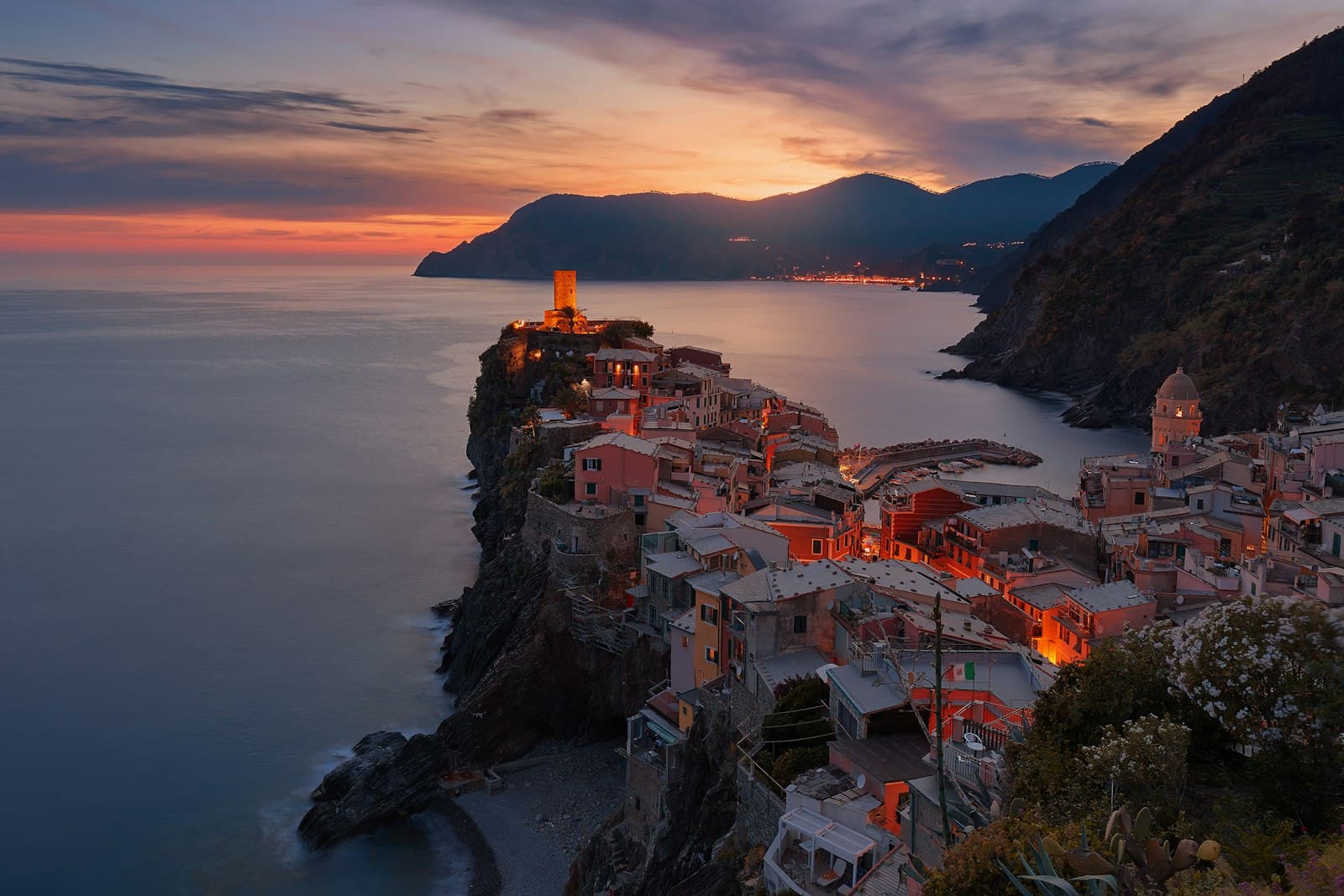
Summer in Europe is one of those things that never gets old — long golden evenings, outdoor dining on cobblestone squares, and that specific magic of arriving somewhere new with nothing but warm weather ahead of you. But choosing where to go? That's the hard part. Europe has so many extraordinary destinations that narrowing it down can feel paralyzing, especially when you want to balance bucket-list sights with places that still feel undiscovered.
This guide breaks down the best European summer destinations for 2026, organized by what you're actually after — whether that's a week on the beach, a culture-packed city break, mountain adventures, or a trip that won't drain your savings.
When to book your summer trip
Before we get to destinations: timing matters. Summer 2026 flights and accommodation are already filling up for peak dates (mid-June through August). Here's the general playbook:
- Flights: Book 3–4 months ahead for the best fares. Set up price alerts on Google Flights or Skyscanner now if you're eyeing July or August.
- Accommodation: Popular destinations like Santorini, Dubrovnik, and the Amalfi Coast can sell out 4–6 months ahead for peak weeks. Book early, or target shoulder season (June, September) for better availability and lower prices.
- Flexibility wins: Flying midweek (Tuesday or Wednesday) can cut flight costs by 20–40%. Arriving a few days before or after peak weekends makes a huge difference.
Beach destinations: Sun, sea, and slow days
Greek Islands — The eternal favorite
The Greek islands remain Europe's gold standard for summer beach trips, and for good reason. Crystal-clear water, whitewashed villages, fresh seafood at sunset — it's the stuff of postcards, except it's real and somehow even better in person.
Where to go in 2026: Skip Mykonos if you want to avoid the party crowds and premium prices. Instead, look at Naxos — the largest of the Cyclades, with excellent beaches (Plaka and Agios Prokopios are standouts), a charming old town, and prices that feel reasonable by Greek island standards. Milos is another gem: volcanic landscapes, over 70 beaches in surreal colors, and fewer crowds than Santorini despite being just as photogenic.
For Santorini purists: it's still magical, but go in early June or late September when the cruise-ship crowds thin and you can actually enjoy Oia without being shoulder-to-shoulder.
Best for: Couples, relaxation seekers, island-hoppers.
Sardinia, Italy — Beaches with a wilder edge
Sardinia's coastline rivals the Caribbean, but with Italian food, culture, and character. The Costa Smeralda is the famous (and expensive) stretch, but the island has far more to offer.
Head south to Villasimius or west to Bosa and Alghero for stunning beaches without the superyacht scene. The interior — rolling hills, ancient nuraghi stone towers, shepherd culture — is an unexpected highlight and makes Sardinia feel like two destinations in one.
Getting there: Direct flights from most European cities. Rent a car; the island is large and public transport is limited.
Best for: Families, food lovers, travelers who want beach + culture.
Algarve, Portugal — Europe's sunniest coast
The Algarve delivers over 300 days of sunshine a year, dramatic sandstone cliffs, and some of Europe's best-value beach holidays. Lagos is the sweet spot: beautiful cove beaches (Praia da Dona Ana is spectacular), a lively old town, and great restaurants at prices that feel generous compared to the rest of western Europe.
For something quieter, head to the west coast around Aljezur and Carrapateira — surfer vibes, wild beaches, and small guesthouses where you can hear the Atlantic from your pillow.
Best for: Budget-conscious travelers, surfers, families.
City culture: Architecture, history, and late-night energy
Barcelona, Spain — The city that has everything
Barcelona in summer is electric. Gaudí's surreal architecture, the Gothic Quarter's medieval maze, the beach at Barceloneta, and a food scene that ranges from market stalls at La Boqueria to Michelin-starred tasting menus — it's one of Europe's most complete cities.
2026 tip: Barcelona has been actively managing tourist density. Book accommodations in neighborhoods like Gràcia, Poble-sec, or Sant Antoni to experience more local life and avoid the most congested parts of the old town. Evenings are the best time to explore — the city comes alive after 9 PM when the heat drops and the terraces fill up.
Best for: First-time Europe visitors, food lovers, architecture fans.
Prague, Czech Republic — Affordable and stunning
Prague offers the romance of Paris at a fraction of the cost. The Charles Bridge at dawn, the Prague Castle complex, the art nouveau cafés, and the best beer in Europe (sorry, Germany) — it's a city that over-delivers.
Summer temperatures are pleasant (mid-20s°C), and the long evenings are perfect for rooftop bars and river cruises on the Vltava. Stay in Vinohrady or Žižkov for a more local feel — these neighborhoods are packed with excellent restaurants and bars, and a short tram ride from the old town.
Best for: Budget travelers, couples, beer lovers, first-time visitors.
Dubrovnik, Croatia — Mediterranean drama
Dubrovnik's walled old town, perched above the Adriatic, is one of Europe's most visually dramatic settings. Walking the city walls at sunset, swimming off the rocks below the fortress, and eating fresh-caught fish in a candlelit konoba — it's unforgettable.
Crowd hack: Visit in early June or September. July and August bring cruise ships and heat that can make the old town feel oppressive. If you do go in peak season, walk the walls first thing in the morning (gates open at 8 AM) and escape to Lokrum Island (a 10-minute ferry) for swimming and shade in the afternoon.
Best for: History lovers, Game of Thrones fans, photographers.
Nature and adventure: Mountains, fjords, and fresh air
Swiss Alps — Summer hiking paradise
The Swiss Alps in summer are a completely different experience from the ski season. Wildflower meadows, turquoise lakes, cable cars to jaw-dropping viewpoints, and mountain hut lunches where you eat rösti with a view of the Matterhorn.
Where to base yourself: The Jungfrau Region (Grindelwald, Lauterbrunnen, Mürren) offers the most iconic scenery and excellent hiking at all levels. Zermatt for the Matterhorn. The Engadin Valley around St. Moritz for a quieter, more sophisticated feel.
Budget tip: Switzerland is expensive, but the Swiss Travel Pass offers significant savings on trains, buses, and mountain railways. Many cable cars are covered or discounted. Self-catering and picnic lunches help keep food costs manageable.
Best for: Hikers, nature photographers, families with older kids.
Norwegian Fjords — Bucket-list scenery
The Norwegian fjords in summer offer 18+ hours of daylight and some of the most dramatic landscapes on Earth. The sheer scale — waterfalls plunging hundreds of meters into narrow blue channels, snow-capped peaks rising from sea level — is hard to process until you're standing in it.
Where to go: Geirangerfjord and Nærøyfjord (both UNESCO-listed) are the classics. For a less touristy experience, head to Lofoten Islands — fishing villages, midnight sun, and mountains that rise straight from the Arctic sea. Tromsø is the gateway to the north and a great base for fjord trips, midnight sun hikes, and whale-watching cruises.
Getting there: Fly into Bergen or Oslo and drive, or take the scenic train routes (Bergen Railway, Flåm Railway) for one of Europe's great rail journeys.
Best for: Adventure travelers, photographers, nature lovers who don't mind cool weather (pack layers — fjord summers are 12–18°C).
Scottish Highlands — Wild and windswept
The Scottish Highlands are Europe's overlooked summer gem. Moody landscapes of lochs, glens, and moors that shift from brooding to breathtaking depending on the light. Summer brings the longest days (sunset past 10 PM in June) and the warmest temperatures, though "warm" is relative — expect 15–20°C and always pack rain layers.
Drive the North Coast 500 for a road-trip-of-a-lifetime loop through the northern Highlands. Base yourself in Inverness for Loch Ness and the Cairngorms, or on the Isle of Skye for some of the most photographed landscapes in Britain.
Best for: Road trippers, whisky lovers, hikers, anyone who finds beauty in wildness.
Budget-friendly destinations: Maximum experience, minimum spend
Albania — Europe's emerging star
Albania has been the word-of-mouth recommendation among budget travelers for a few years now, and 2026 is the year to go before prices rise further. The Albanian Riviera — from Ksamil to Himara — has beaches that rival Greece at a third of the cost. Berat and Gjirokastër are UNESCO-listed old towns with Ottoman architecture, and Tirana is one of Europe's most surprising capitals — colorful, chaotic, and bursting with energy.
Daily budgets of €30–50 are realistic, including decent accommodation, meals out, and local transport.
Best for: Adventurous travelers, budget backpackers, anyone who wants to discover something new.
Montenegro — Affordable Adriatic beauty
Just south of Dubrovnik, Montenegro offers similar coastal beauty at significantly lower prices. Kotor is the star — a walled medieval town at the head of a fjord-like bay, with a fortress climb that's one of the best free viewpoints in Europe. Budva has beaches and nightlife, and Durmitor National Park in the interior offers world-class rafting on the Tara River Canyon.
Best for: Budget couples, road trippers combining Croatia and Montenegro.
Poland — Culture and cuisine for less
Poland is one of Europe's great value destinations, combining rich history, gorgeous architecture, and a food scene that punches well above its weight — all at prices that feel almost too good.
Kraków is the essential stop: the medieval main square, Wawel Castle, the Jewish Quarter of Kazimierz, and the sobering day trip to Auschwitz. Gdańsk on the Baltic coast is a summer favorite — amber-colored townhouses, beach bars, and the fascinating history of the Solidarity movement. Warsaw has reinvented itself as a modern cultural capital with world-class museums and a booming restaurant scene.
Best for: History buffs, foodies, budget travelers.
How to plan your European summer trip
With so many options, the planning itself can be overwhelming. A few principles that help:
- Pick a vibe first, then a destination. Deciding "I want beaches and slow days" or "I want city culture and great food" narrows things down immediately.
- Combine two styles. The best European trips often pair a city with a nature destination — Barcelona plus the Costa Brava, Prague plus the Bohemian countryside, Dubrovnik plus a day on the islands.
- Don't overpack your itinerary. Two or three destinations in two weeks is the sweet spot. More than that, and you'll spend more time in transit than actually experiencing the places.
- Book the anchors, leave room for spontaneity. Lock in flights and first-night accommodation, but leave gaps for the unexpected — the local who recommends a village you've never heard of, the beach you stumble onto, the extra day you decide to stay because a place just clicked.
Let Travee plan your summer trip
Can't decide between the fjords and the Greek islands? Not sure how to fit Barcelona and the Algarve into one trip? Travee's AI travel planner builds personalized European itineraries in seconds — based on your dates, interests, budget, and travel style. Plus, our audio guides give you the stories behind every destination, so you're not just seeing the sights — you're understanding them.